Does protein powder actually help with weight loss?
Yes, but the mechanism is often misunderstood. Protein doesn't 'burn fat' or 'boost metabolism' in any meaningful way. What it does: it's the most satiating macronutrient (gram for gram, it keeps you fuller longer than carbs or fat), and it preserves lean muscle mass while you're eating in a caloric deficit.
Preserving muscle while losing fat matters because muscle tissue is metabolically active, the more you have, the higher your resting calorie burn. Eating enough protein during a diet is the single best-evidenced strategy for improving body composition during weight loss.
A 2012 meta-analysis by Leidy et al, found that higher protein intakes during caloric restriction preserved significantly more lean mass than lower protein diets. The effect size was meaningful even at moderate deficits.
What to actually look for in a weight-loss protein powder
The marketing for 'weight loss protein' is some of the worst in the supplement industry. 'Lean' and 'diet' products are often just regular protein with a different label and a higher price. Here's what actually matters:
- High protein per serve: aim for ≥25 g per serve. Below 20 g is underwhelming.
- Low carbs: ideally under 5 g per serve. Sugar content under 2 g.
- Low fat: under 3 g per serve is fine. Avoid products with 10+ g fat, you're not getting better results, just more calories.
- Low total calories: a typical 30 g WPI serve is around 120 kcal. Be suspicious of anything claiming high protein AND low calories, the maths doesn't add up.
- No 'fat burners' or thermogenic additives: caffeine, green tea extract, and similar compounds have negligible effects on body fat at the doses found in protein powders.
'Lean' and 'diet' proteins are a marketing category, not a functional one. A cheap WPI with ≥90% protein by weight is almost always a better product than a 'lean' blend at 2× the price.
Which type of protein is best for fat loss?
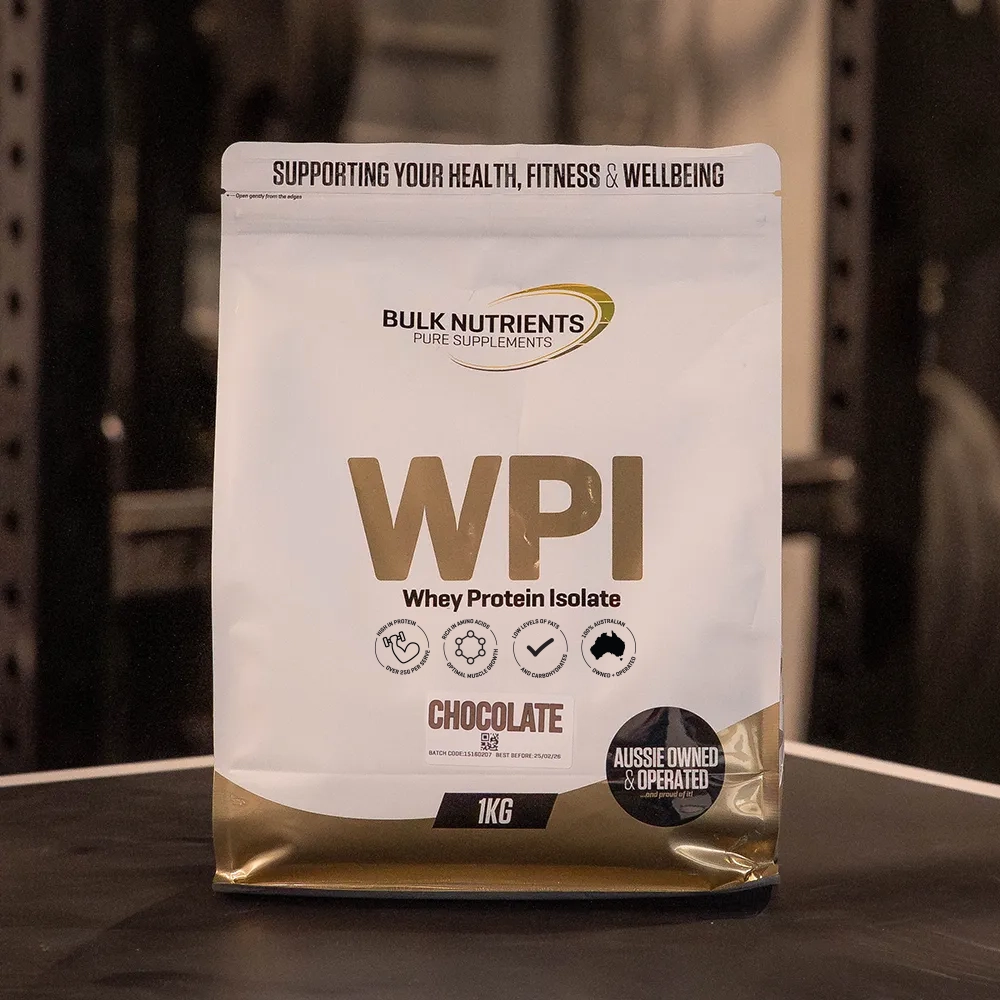
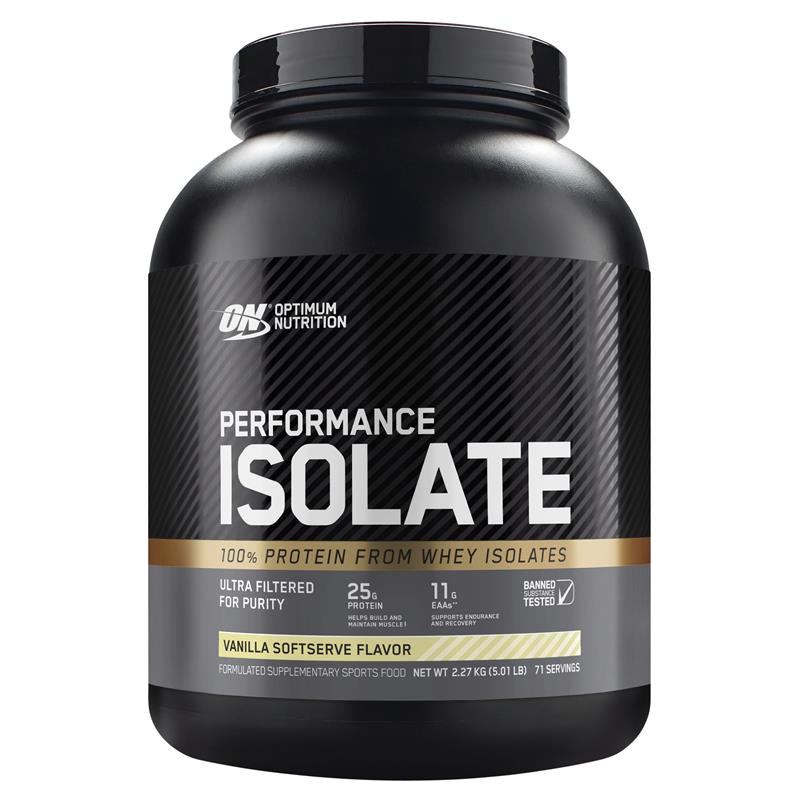
WPI (Whey Protein Isolate) is the best choice. It's the highest protein-per-serve option available, with the lowest carbs, fat, and calories. The filtration process removes most of the lactose and fat from whey, leaving almost pure protein.
WPC (Whey Protein Concentrate) is a fine second option if cost is the primary driver. It's slightly lower protein (typically 80% vs 90%), with a few more carbs and calories per serve, but not enough to matter if you're tracking your intake.
Plant protein is a solid option for vegans. Pea + rice blends hit a reasonable amino acid profile. They're typically slightly lower protein per serve than WPI, so you may need a slightly larger serve.
Casein (slow-digesting) is sometimes recommended for overnight use or appetite control. The evidence for it being meaningfully better than whey for fat loss is weak. The satiety benefit is real but modest.
What to avoid
Meal replacement shakes marketed as weight loss tools. These are often just protein powder with added vitamins, sold at a massive premium. Real food is almost always a better option.
Any product with 'fat burning complex', 'thermogenic matrix', or similar language. These are regulatory workarounds for not being able to claim the product burns fat (because there's no evidence it does at typical doses).
High-calorie protein blends where the bulk of the macros come from carbs or fat. You want protein, if the serve has 20 g protein + 30 g carbs + 10 g fat, it's not a protein product, it's a calorie supplement.
How much protein do you actually need?
The standard recommendation for people in a caloric deficit who want to preserve muscle is 1.6–2.4 g of protein per kg of bodyweight per day. The higher end of this range is appropriate if you're training hard, have a large caloric deficit, or are older.
For a 70 kg person that's 112–168 g of protein per day. The average Australian gets about 80 g through normal eating, protein powder makes up the gap conveniently and cheaply.
- 75 kg person trying to lose weight: target 130–150 g protein/day.
- 60 kg woman with moderate activity: 95–120 g/day is appropriate.
- Getting all your protein from food is possible but requires intentional meal planning.
The cheapest way to get a gram of protein in Australia is almost always from WPC or a whey blend bought on sale, not from food sources. Use our cheapest protein leaderboard to find the best value right now.
Best value picks for fat loss in 2026
Any WPI under 6¢/g protein is exceptional value. Check our live WPI leaderboard, prices fluctuate and the cheapest brand today might not be cheapest next week.
For budget shoppers, WPC under 4¢/g protein is strong value. At those prices you can afford a slightly larger serve to hit the same protein target as WPI.
Frequently asked questions
Can I use any protein powder for weight loss?
Should I have protein before or after a workout to lose weight?
How many calories are in a protein shake?
What is the cheapest protein powder for weight loss in Australia?
rel="sponsored" tags where applicable. See our methodology.