TL;DR: the short version
Buy the cheapest WPC or whey blend from a brand with transparent labelling. Forget exotic blends, forget proprietary mixes. If you're hitting your protein target every day, the brand of powder matters less than almost everyone selling it pretends.
For most Australians chasing muscle, fat loss, or healthy ageing, the right pick is whichever product gives you ≥20 g of protein per serve, has fewer than 5 g of carbs and sugar combined, and costs under 6¢ per gram of protein. We track this live for every product on our leaderboards.
- Cheapest live: see the live cheapest-by-100g leaderboard.
- Best value (price × Protein Score): see the best-value leaderboard.
- Sale tracker: real discounts only, we filter out fake markdowns automatically.
Protein powders in Australia range from about 3.5¢/g protein at the cheap end to over 18¢/g for boutique brands. There's no quality difference that justifies a 5× price gap.
Which type of protein should you actually buy?
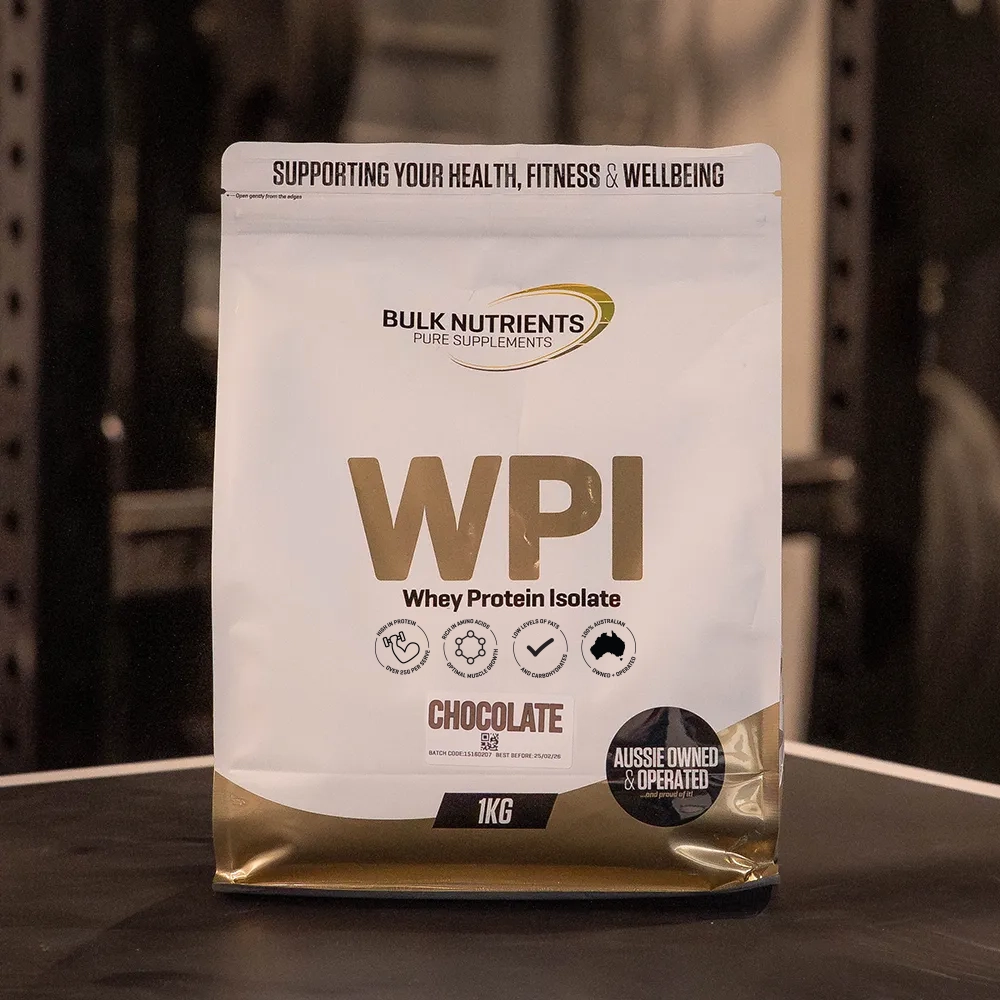
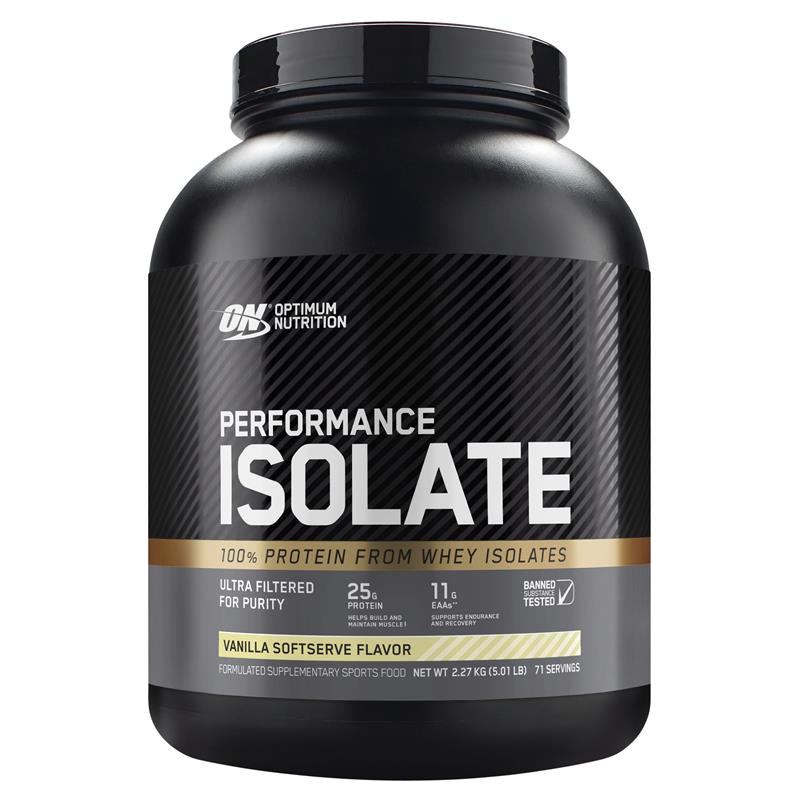
WPC (whey protein concentrate) is the default for almost everyone. It's the cheapest, has good amino acids, and small amounts of lactose are a non-issue for most people. WPI (whey protein isolate) is slightly higher in protein per gram and slightly lower in lactose, useful if your stomach hates dairy, otherwise overpriced.
Whey blends mix WPC and WPI to get a price/protein-content compromise. Australian supermarkets love these because they hit good shelf prices. Casein is for sleep-time use only and we don't recommend buying it as your main powder. Plant blends are fine if you eat plant-based; pick blends (pea + rice + hemp) over single-source for amino-acid coverage.
Mass gainers are mostly carbohydrate and sugar with protein bolted on, only useful if you genuinely can't eat enough food. Collagen is not muscle-building protein; treat it as a separate purchase for joint and skin reasons.
- Default: WPC or whey blend.
- Lactose sensitive: WPI.
- Plant-based: multi-source blend.
- Skip: mass gainers, single-source plant, casein-only as your primary.
How to read a label without getting tricked
Two numbers tell you almost everything: protein per 100 g of powder, and total carbs + sugar per serve. Healthy powders sit at ≥75 g protein per 100 g. Anything under 70 g per 100 g is being diluted with cheaper ingredients (often maltodextrin, creamers, or amino spiking with cheap fillers like taurine and glycine).
Watch out for nitrogen-only protein claims. Manufacturers can spike powders with cheap nitrogen-containing additives that count toward the protein number on the front of the bag but contribute nothing for muscle. The fix: check the amino acid panel. If a brand doesn't publish one, that's the answer.
Serve size is the other trick. 'Per serve' protein numbers can look great because the serve is 40 g instead of 30 g. Always normalise to per 100 g of powder. We do this automatically on every product page.
If the nutrition panel doesn't separately list essential amino acids (or at least leucine), assume the protein number is overstated. Honest brands publish them.
The three price traps to avoid
First: fake sales. The product was '$89.95' for two days before being '20% off to $79.95'. a price it has sat at for six months. We filter cells like this on our sale leaderboard, but at retail you have to do it manually. Open the product, scroll to its price history if the retailer shows one, otherwise mistrust 'limited time' badges that have been there for weeks.
Second: tub size inflation. A 2 kg tub is usually cheaper per gram of protein than a 900 g tub of the same product. Always do the maths per 100 g of powder, not per tub.
Third: flavour upcharge. 'Premium' flavours sometimes carry a $5 markup that's pure margin. Stick with chocolate, vanilla, or strawberry unless you genuinely care.
- Always check the per-100 g protein column.
- Bigger tubs almost always win on price-per-gram.
- Compare against the same product at the same retailer six weeks ago, not against the headline RRP.
Where to buy in Australia by use case
Chemist Warehouse and Coles dominate everyday supermarket protein. Chemist Warehouse has the best deal frequency, but inventory turns over fast, what's $29.99 today can be back to $44.99 next Wednesday. Coles is more stable but their range is smaller.
Nutrition Warehouse and ASN are speciality stores with better breadth (every brand, every flavour) but higher list prices. Buy from them during their monthly sales, outside sale windows they're not competitive.
Direct from manufacturer (Bulk Nutrients, True Protein, etc.) is the cheapest per gram on big bag sizes, but you'll pay shipping and wait 3–7 days. Worth it if you're buying ≥2 kg.
Frequently asked questions
Is WPI worth the extra money over WPC?
How much protein do I actually need per day?
Are Australian protein powders tested for contaminants?
How does ProteinPrice rank products?
rel="sponsored" tags where applicable. See our methodology.